Running a consignment business requires more than ringing up purchases and placing merchandise on shelves. A store must track who owns each item, how long it has been available, what price rules apply, how sale proceeds are divided, and when the consignor should receive payment. This operating model creates a...
On-Premise Consignment POS Explained for Store Owners
Running a consignment store involves more than processing purchases at a checkout counter. Every item may have a different owner, commission rate, selling period, markdown schedule, payout status, and return agreement. Store owners must connect these details accurately from the moment an item is accepted until it is sold, returned,...
Split Payment Features in Consignment Store POS Systems
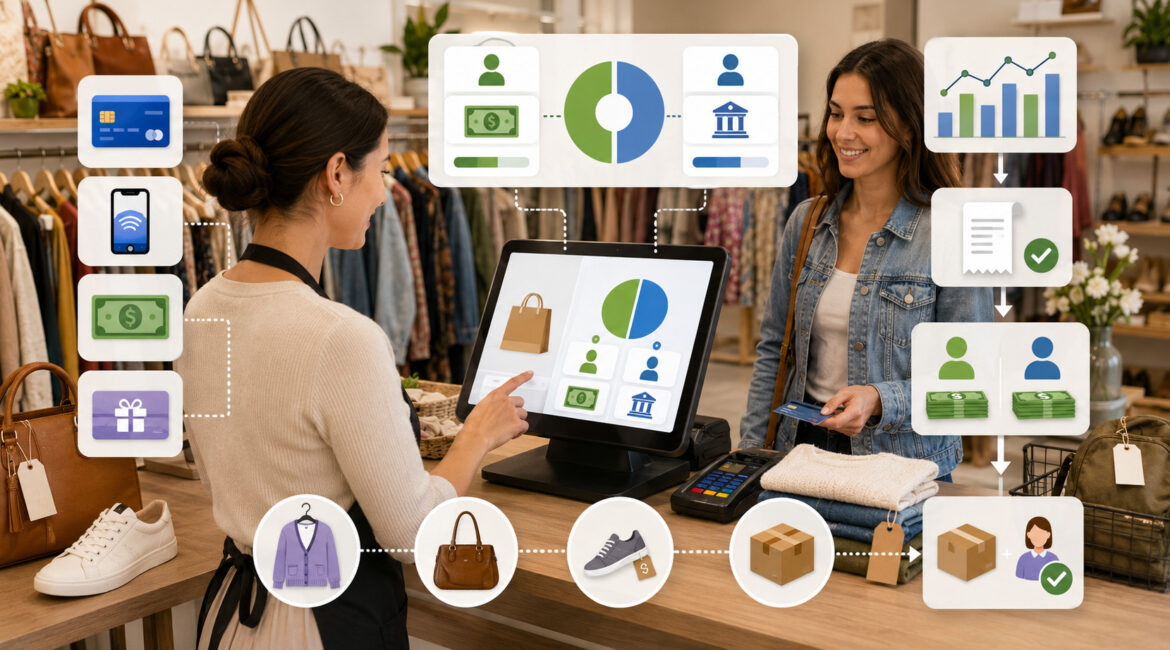
Consignment and resale stores often serve customers who want more flexibility than a traditional one-method checkout provides. A shopper may have store credit from a previous return, cash in hand, a partially used gift card, and a credit card available for the remaining balance. Another customer purchasing furniture, jewelry, antiques,...
How to Manage Consignors with a Consignment POS System

Managing consignors is one of the most important responsibilities in a consignment business. Every item accepted by the store belongs to a person or organization that expects accurate tracking, consistent pricing, transparent commission calculations, and timely payment. Learning how to manage consignors with a consignment POS system helps stores replace...
What is a Cloud-Based Consignment POS System?
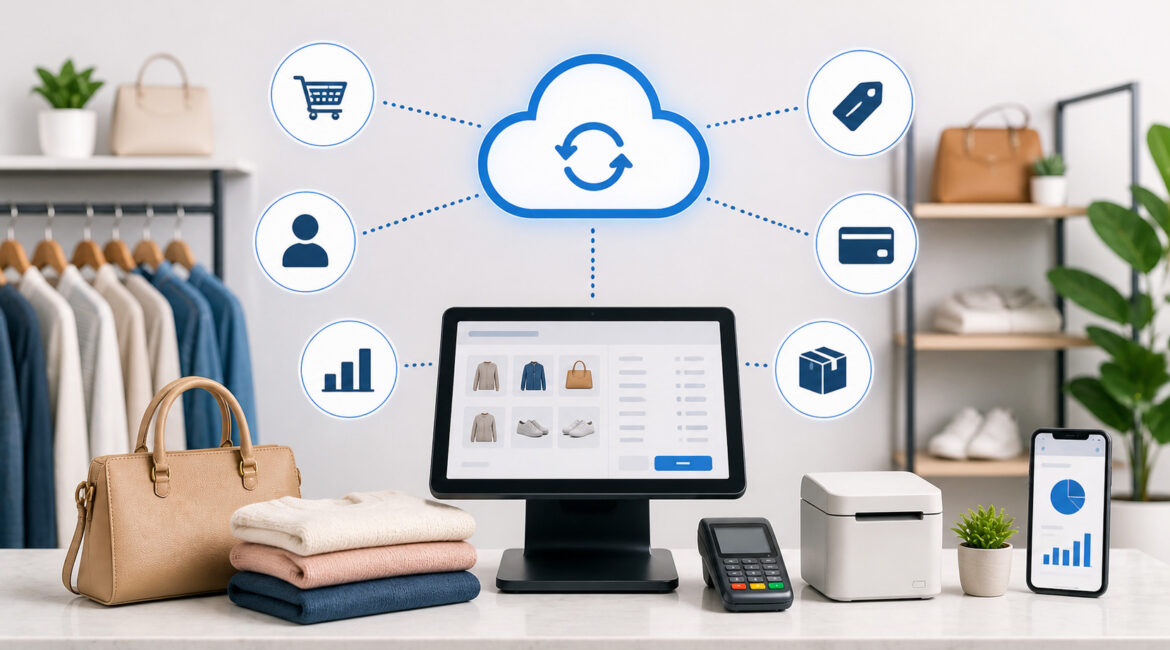
Running a consignment store is more complex than ringing up products at checkout. Every item may belong to a different consignor, carry a different commission split, follow a different markdown schedule, and require accurate tracking from intake to sale, return, payout, or expiration. A standard cash register or basic retail...
Open-Source vs. Commercial POS Systems for Resale Shops (Complete Comparison Guide)
Choosing a point-of-sale system is one of the most “forever decisions” a resale business makes. Your POS touches every sale, every return, every new intake, every markdown, and every end-of-day report. In 2026, resale shop owners have more options than ever—but that variety can make it harder to decide. This...
How Much Does a Consignment POS System Cost? (Pricing Breakdown + Real-World Budgets)
If you’ve ever tried to compare POS quotes for consignment, you already know the sticker price doesn’t tell the whole story. The consignment POS system cost is made up of several moving parts: software subscription, payment processing, hardware, label supplies, training, data migration, and the add-ons that make consignment work...
SimpleConsign vs. Ricochet: Feature Comparison Guide
Choosing a consignment POS isn’t like choosing a generic register. You’re not just ringing up sales—you’re tracking who owns what, how long it’s been on the floor, what the split should be, what’s eligible for markdown, what’s owed (and when), and how to keep consignors and staff aligned without constant...
POS Reporting Features Every Consignment Store Needs
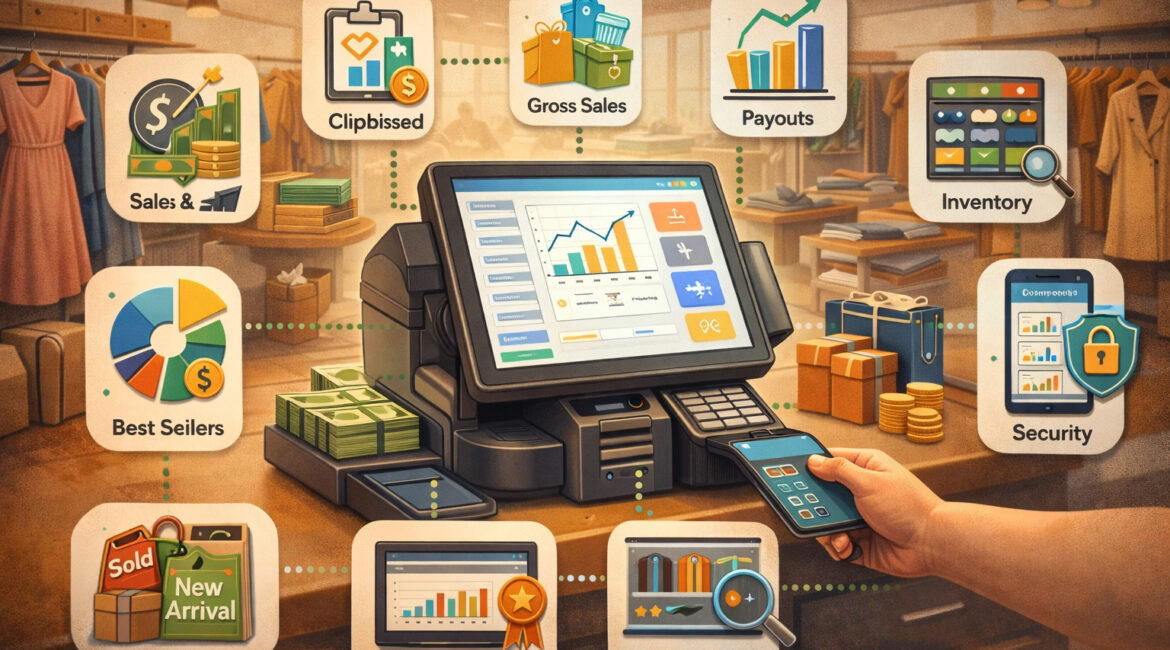
Running a consignment store is different from running a standard retail shop—and your reporting has to reflect that reality. You’re not just tracking sales. You’re managing consignor payout tracking, split commission reporting, inventory that ages quickly, store credit balances, and seasonal trends that can make last month’s “top sellers” irrelevant...
Mobile POS Trends for Consignment Stores
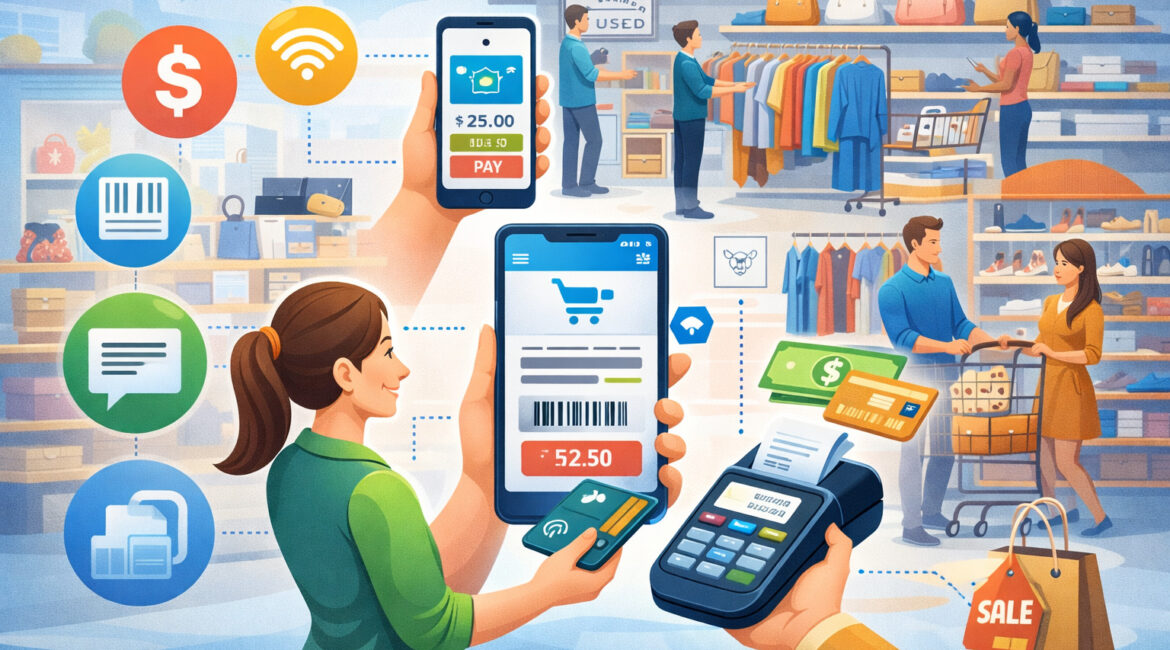
Consignment retail has always been “different retail.” Your inventory is one-of-one, your pricing is dynamic, your customers love treasure-hunting, and your payouts have to be accurate down to the penny. That’s exactly why mobile POS trends for consignment stores are accelerating faster than many other retail niches: mobility solves the...