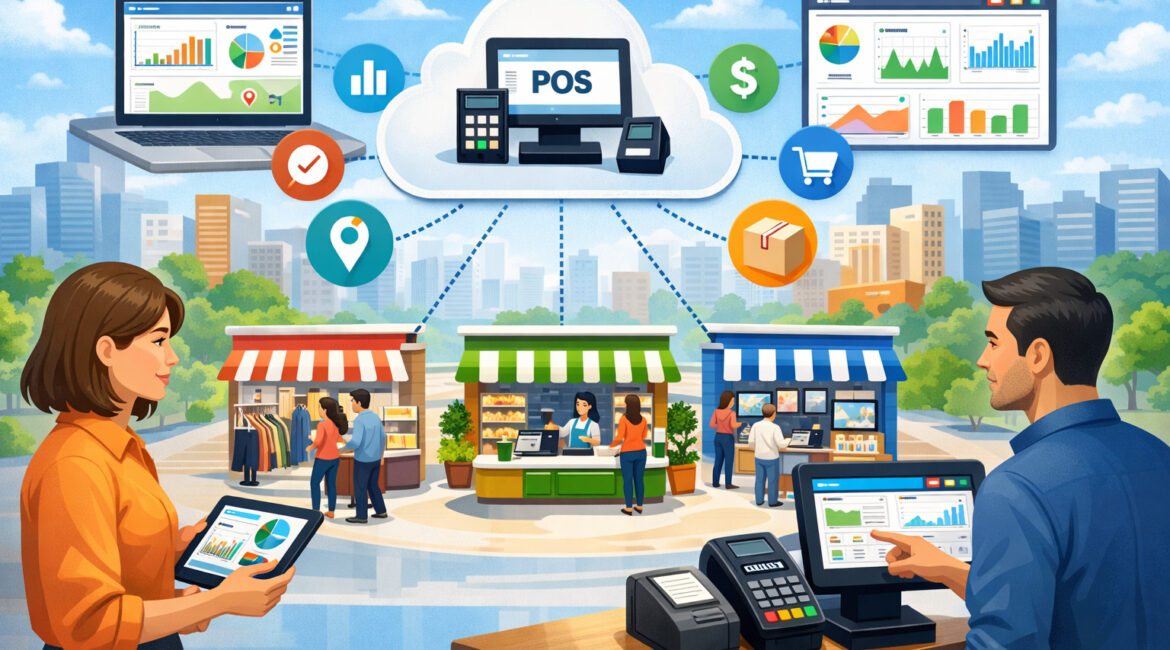
Running two, five, or fifty locations can feel like juggling separate businesses—different staff habits, inconsistent inventory counts, delayed reporting, and end-of-day chaos. The goal of managing multiple store locations with one POS is simple: one system of record for sales, inventory, customers, employees, and reporting—without sacrificing the flexibility each location...
Scaling a Consignment Business With POS Software

Scaling a consignment business is different from scaling a traditional retail store. You’re not just tracking products—you’re tracking ownership, agreements, pricing rules, payout schedules, and the relationship between shoppers, consignors, and your store. That’s why consignment POS software becomes the engine behind growth: it turns a chaotic mix of one-of-a-kind...
Best Security Practices for Resale POS
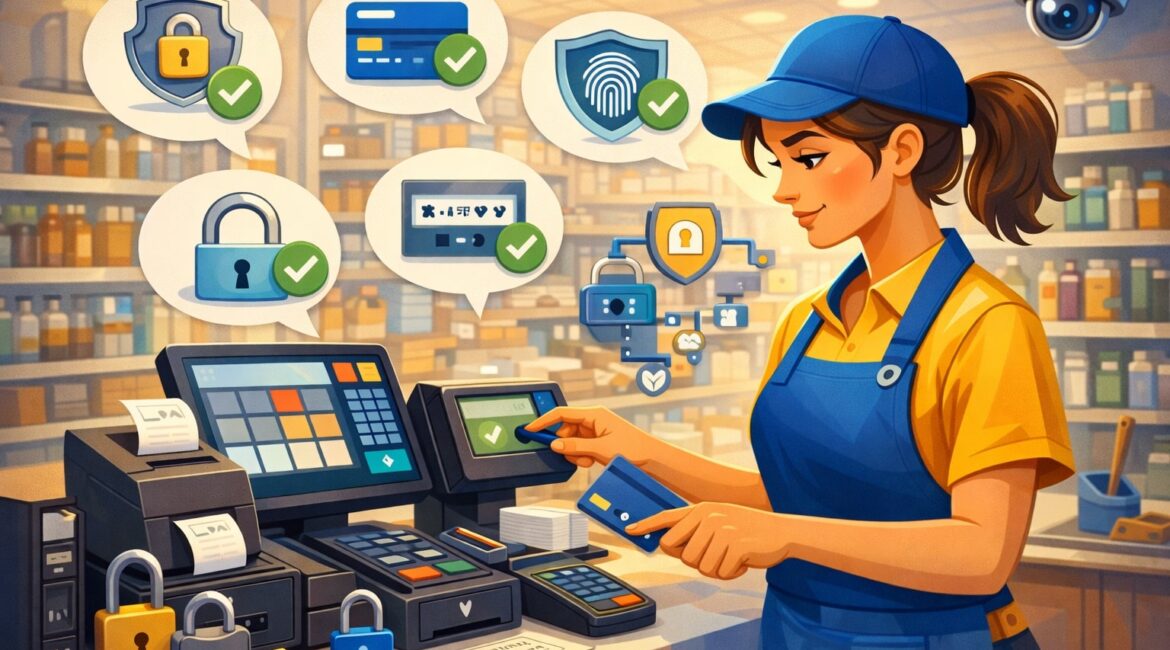
Resale POS systems power busy secondhand and consignment operations where speed matters: scanning items, pricing, tagging, customer lookups, returns, store credit, layaway, and sometimes online listings synced to marketplaces. That same convenience can become a security liability if the POS is treated like “just a cash register.” In reality, a...
Daily POS Checklists for Consignment Stores
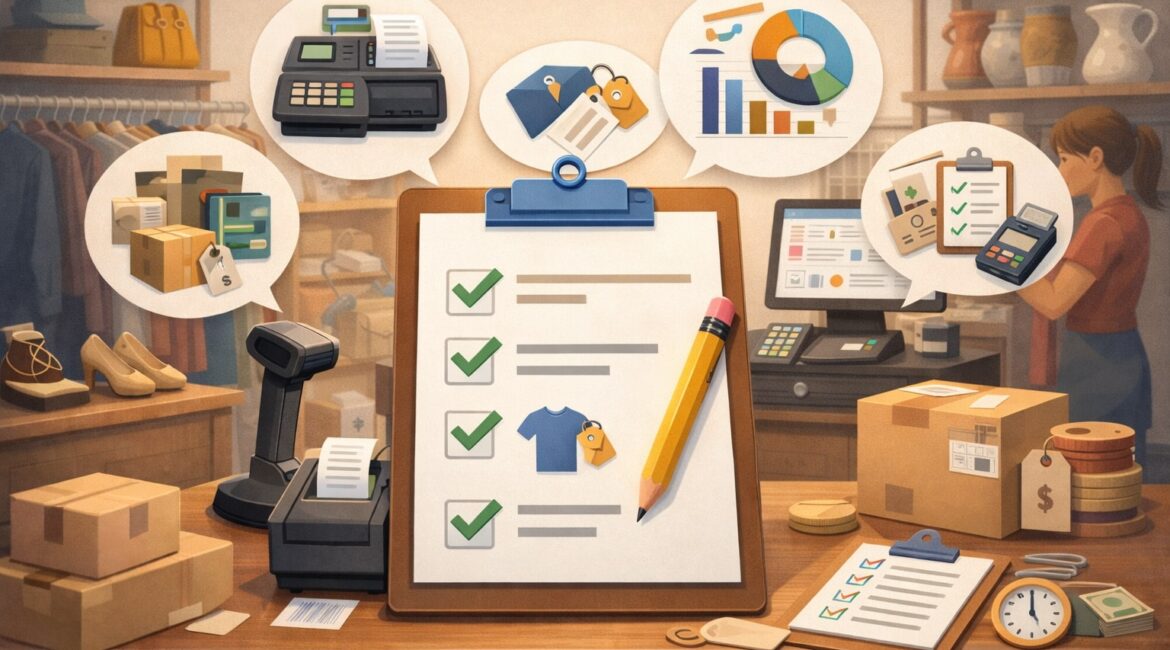
Running a busy resale operation is part retail, part logistics, part accounting, and part relationship management. That’s why daily POS checklists for consignment stores aren’t “extra admin”—they’re the system that keeps inventory accurate, payouts fair, employees consistent, and customers happy. When consigned goods move in and out all day, small...
How POS Systems Calculate Consignor Payouts

Consignment businesses live and die by trust, and trust usually comes down to one thing: consignor payouts that are accurate, transparent, and on time. A modern POS system isn’t just a cash register—it’s a rules engine that tracks inventory ownership, records each sale event, subtracts the right fees, applies the...
POS Features That Help Manage High-Volume Resale Inventory

Managing high-volume resale inventory is a different sport than running a typical retail store. You’re not just tracking “10 blue shirts in size M.” You’re tracking thousands of unique, constantly changing items with different conditions, brands, acquisition costs, and selling channels—often all at once. In resale, one day’s intake can...
Common Challenges Consignment POS Systems Solve

Running a resale or multi-vendor store sounds simple: accept items, sell items, split the money. In practice, consignment is one of the most operationally complex retail models because every single product has a “second stakeholder” attached to it—the consignor. That extra relationship adds rules, timelines, payouts, liability questions, and reporting...
How a Consignment Store Point of Sale Works

A consignment store point of sale is more than a register. It’s the system that tracks who owns each item, when it arrived, how it should be priced and discounted, what happens when it sells, and how the payout is calculated for the consignor. A standard retail POS is built...
Step-by-Step Guide to Implementing a POS System

Implementing a POS System is one of the highest-impact upgrades a U.S. business can make. Done right, it centralizes sales, inventory, payments, and reporting into one reliable hub. Done poorly, it creates checkout delays, compliance risk, and staff frustration. This step-by-step guide walks you through Implementing a POS System from...
Common Mistakes When Setting Up a Consignment POS

Launching or upgrading a consignment POS isn’t just a software decision—it’s a business model decision. A strong rollout aligns inventory intake, pricing, payouts, and taxes with how you actually consign. A weak rollout produces miscounted items, missed payouts, and compliance headaches that hurt trust with consignors and customers. This guide...