
Thrift stores in the United States operate with a unique mix of donated goods, consignment items, volunteer labor, and slim margins. That combination makes day-to-day management both mission-driven and operationally complex. POS automation—using modern point-of-sale software and connected hardware to streamline repetitive tasks—cuts through that complexity. By automating pricing, tagging,...
Cloud vs On-Premise Consignment POS: Pros and Cons

Choosing between a cloud consignment POS and an on-premise consignment POS can feel like picking a lane you’ll be stuck in for years. Inventory accuracy, payouts to consignors, price tags, barcode scanning, customer receipts, and card acceptance all run through this decision. In the U.S., where retail mixes brick-and-mortar, pop-ups,...
How to Choose the Right POS Terminal for Your Consignment Shop

Choosing the best POS terminal for your consignment shop isn’t just a hardware decision—it’s a foundation for how you intake inventory, split payouts with consignors, manage price reductions, and accept modern payments securely. The right POS terminal for your consignment shop should support omnichannel selling, handle unique consignment workflows, cut...
Managing Consigned vs Owned Items in the Same POS

Running a modern retail business often means selling a mix of merchandise you own and products you sell on consignment. Managing consigned vs owned items in the same POS can feel complex at first, but it becomes a growth lever once you get the setup right. The key is building...
Using POS for Multi-Category Consignment Sales
Multi-category consignment is booming across the U.S. as consumers embrace resale, sustainability, and value. Stores that sell apparel, footwear, handbags, jewelry, furniture, home décor, musical instruments, sporting goods, and even small electronics are finding that traditional retail tools can’t keep up with consignor splits, dynamic pricing, and intake complexity. That’s...
Customer Management Tools in Modern Consignment POS Systems

Modern consignment POS systems do far more than ring up sales. They function as customer relationship engines—organizing shopper data, tracking consignor relationships, powering targeted marketing, and building loyalty across in-store and online channels. For U.S. consignment retailers, that means fewer spreadsheets, faster checkouts, and smarter decisions based on real-world behaviors....
The Evolution of POS Technology for Consignment Stores
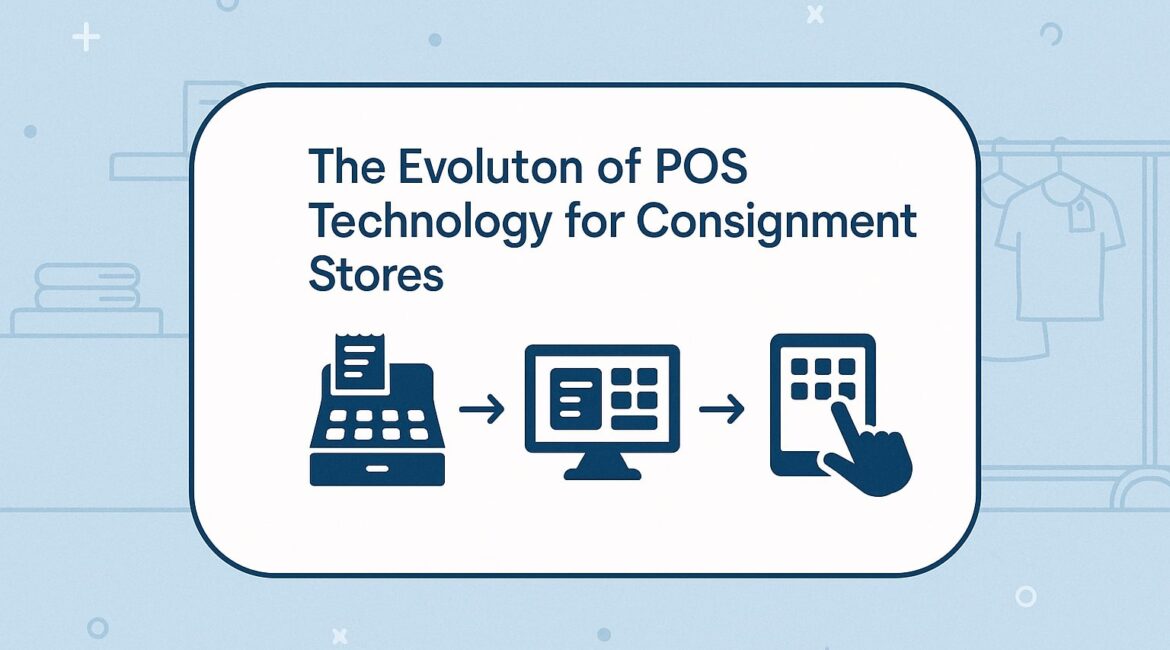
Point-of-sale technology has quietly transformed consignment retail in the United States. What started as paper tags, manual ledgers, and end-of-day calculators is now a data-rich, cloud-connected system that streamlines intake, pricing, payouts, and omnichannel sales. A modern consignment POS doesn’t just ring up sales. It automates consignor splits, prints barcodes,...
Key Differences Between Retail POS and Consignment POS
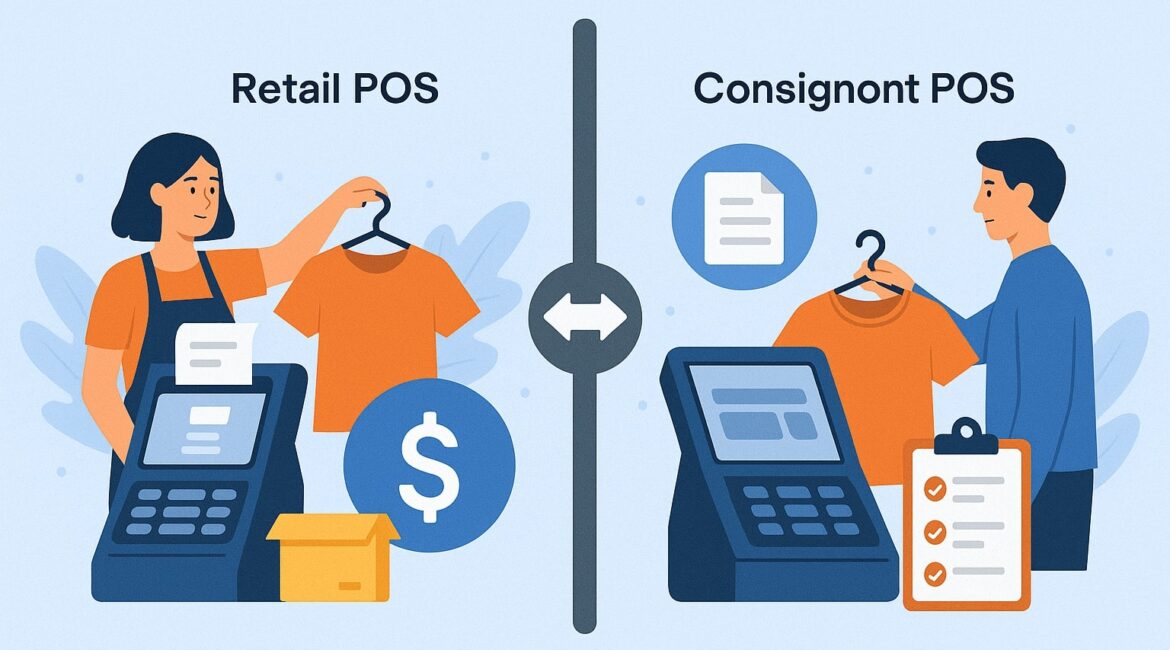
A retail POS is built for merchants who buy goods outright, own inventory the moment it hits the shelf, and recognize the cost of goods sold at the time of sale. A consignment POS is designed for stores that sell goods on behalf of consignors, where the store (consignee) does...
How Consignment POS Systems Help Resale Shops Run Efficiently
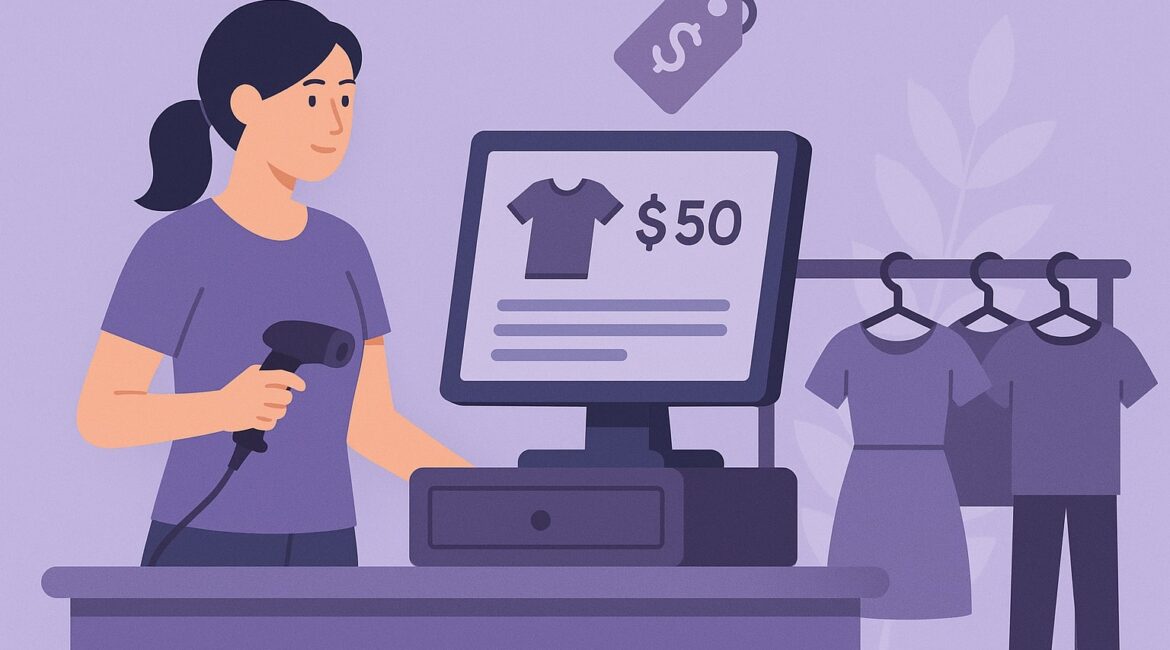
Running a resale or consignment storefront looks simple from the outside: take in goods, sell them, pay consignors, and repeat. In reality, the workflow is complex and time-sensitive. Intake requires careful documentation. Pricing must reflect conditions and comps. Inventory needs barcodes and real-time stock counts. Payouts, taxes, discounts, and omnichannel...
Online Integration with Your Consignment POS: Selling In-Store and Online Seamlessly
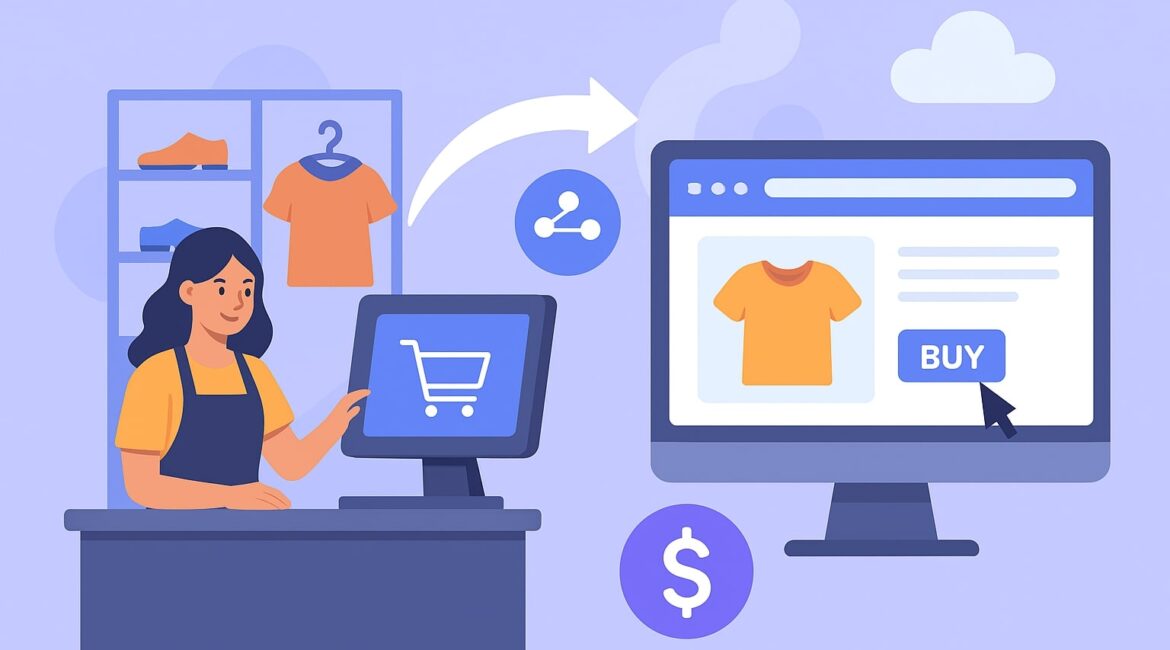
Small consignment and resale shops are increasingly selling both in-store and online to reach more customers and boost revenue. Integrating your point-of-sale (POS) system with an eCommerce platform streamlines operations: one system manages inventory, sales, and consignor payouts across channels. With the second-hand market booming (global resale eCommerce was ~$38.5B...